Why Micronutrients Matter
Think about trying to drive a nice car without putting oil in the engine. The car will not run well even if it has gasoline. Vitamins and minerals are like the oil for your body. They help your body get energy from food keep you from getting sick make hormones fix damaged tissues keep your bones strong help your muscles work and keep your nerves working. If you do not get enough of these nutrients you might not be as healthy as you could be even if you eat a lot of food.
Health organizations say that eating a variety of foods like vegetables, fruits, whole grains, legumes, dairy products, lean proteins, nuts and seeds will give you most of the vitamins and minerals you need. While supplements can be helpful they should not replace eating food.
Vitamins vs. Minerals
Vitamins and minerals are different. Vitamins are like helpers that can break down when they get hot or when they are exposed to air. Minerals are like building blocks that do not break down when you cook or digest them. There are two kinds of vitamins: soluble vitamins like Vitamin A, Vitamin D, Vitamin E and Vitamin K and water-soluble vitamins like Vitamin C and the B vitamins.
Minerals are divided into two groups: minerals that your body needs a lot of and trace minerals that your body needs less of. Even though your body needs less of them trace minerals like iron, iodine, zinc and selenium are still very important for staying healthy.
Essential Daily Vitamins
| Vitamin | Main Function | Best Food Sources |
|---|---|---|
| Vitamin A | Vision, immunity | Carrots, sweet potatoes, liver |
| Vitamin C | Collagen production, immunity | Citrus fruits, kiwi, peppers |
| Vitamin D | Bone health | Sunlight, fatty fish, fortified milk |
| Vitamin E | Antioxidant protection | Almonds, sunflower seeds |
| Vitamin K | Blood clotting | Spinach, kale, broccoli |
| B Vitamins | Energy metabolism | Whole grains, eggs, legumes, meat |
Fat-Soluble Vitamins
The soluble vitamins, Vitamin A, Vitamin D, Vitamin E and Vitamin K are stored in your bodys fat and liver. Vitamin A helps you see and fight off sickness. Vitamin D helps your body use calcium. Keeps your bones strong. Vitamin E protects your cells from damage. Vitamin K helps your blood clot and keeps your bones healthy. If you take many of these vitamins they can build up in your body and be bad for you.
Water-Soluble Vitamins
The water- vitamins are Vitamin C and the B vitamins. Your body does not store these vitamins so you need to eat them every day. Vitamin C helps your body make collagen, heal wounds and fight off sickness. The B vitamins help your body turn food into energy and keep your nerves and brain working
Essential Daily Minerals
| Mineral | Primary Role | Rich Food Sources |
|---|---|---|
| Calcium | Bones and teeth | Dairy, fortified soy milk |
| Magnesium | Muscle and nerve function | Nuts, seeds, spinach |
| Potassium | Blood pressure regulation | Bananas, potatoes, beans |
| Iron | Oxygen transport | Lean meat, lentils |
| Zinc | Immunity | Shellfish, beef, pumpkin seeds |
| Selenium | Antioxidant defense | Brazil nuts, seafood |
| Iodine | Thyroid hormones | Iodized salt, seafood |
Major Minerals
Calcium is important for keeping your bones strong. It also helps your muscles work and your nerves send signals. Magnesium helps your body work properly. Potassium helps keep your blood pressure normal. If you eat a variety of foods like fruits, vegetables, dairy products, legumes and whole grains you will probably get enough of these nutrients.
Trace Minerals
Iron helps your blood carry oxygen to all parts of your body. Zinc helps your body fight off sickness and heal wounds. Selenium protects your cells from damage and iodine helps your body make thyroid hormones. Not getting enough of these nutrients is a problem for many people around the world.
Best Food Sources
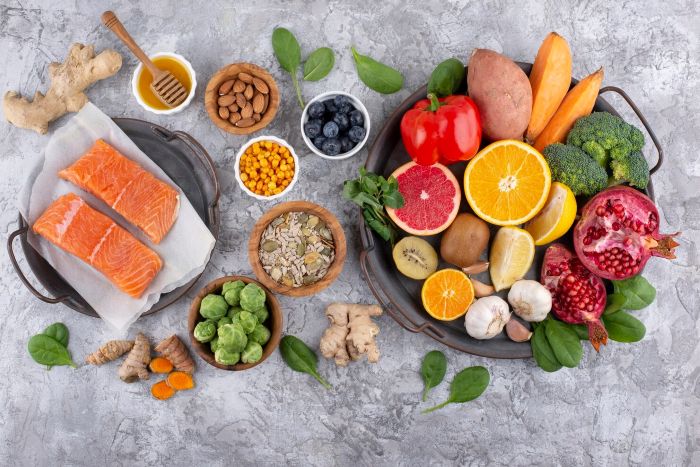
There are many foods that have vitamins and minerals in them. Fruits and vegetables have vitamins A and C. They also have special helpers that keep you healthy. Whole grains have B vitamins and magnesium. Dairy products have calcium, phosphorus and Vitamin B12. Fish has Vitamin D, iodine and selenium. Nuts and seeds have Vitamin E, magnesium and zinc.
Do not just eat one or two foods that’re good for you. Try to eat a bit of everything. Imagine your dinner plate is a picture with leafy greens orange vegetables, berries, whole grains, lean protein, beans and healthy fats. The different foods you eat the healthier you will be.
Should You Take Supplements?
Supplements can be helpful if you do not get vitamins and minerals from the food you eat. Some people need supplements because they have a condition or they are pregnant or they are older.. You should not take supplements instead of eating good food. Many supplements can be bad for you.
Practical Tips to Meet Your Daily Needs
You do not need to buy supplements or follow a complicated diet to get the vitamins and minerals you need. Just make a small changes to what you eat every day.
Fill half your plate with vegetables and fruits.
Choose grains instead of refined grains.
Eat protein, beans or fish every day.
Eat nuts and seeds regularly.
Use salt, but not too much.
Drink fortified milk or plant-based milk if you need to.
Spend time to get Vitamin D from the sun.
Eat a variety of foods and stay hydrated.
Conclusion
Vitamins and minerals are very important, for your health. They help keep you from getting sick. They keep your body working properly. While supplements can be helpful eating a variety of foods is the way to get the vitamins and minerals you need. If you eat an assortment of fruits, vegetables, whole grains, lean proteins, dairy products, nuts and seeds you will be giving your body what it needs to be healthy every day.