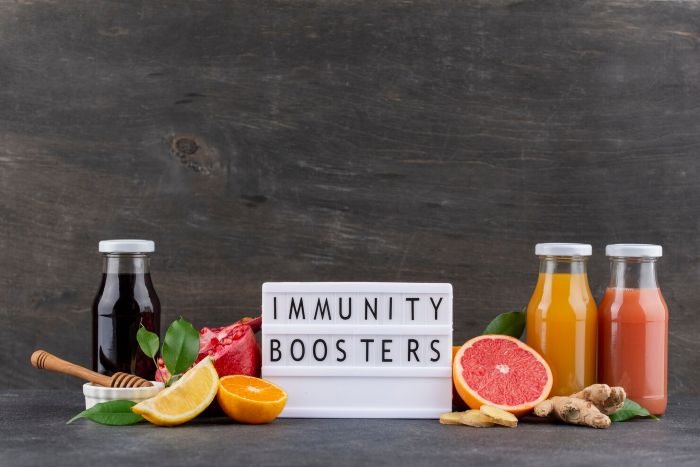
Understanding How the Immune System Works
Your system is really amazing. It is made up of lots of organs, tissues and special cells that all work together to keep your body safe from bad things like bacteria, viruses and fungi. Every day billions of immune cells are on the lookout for threats and they also remember when you were sick before so they can fight it better next time. The food you eat is very important because immune cells need a steady supply of things like vitamins, minerals, proteins and healthy fats to work properly. If you do not eat enough of these things your immune system might not work well and it will be harder for your body to fight off sickness. The NIH Office of Dietary Supplements says that if you do not have enough of nutrients like vitamins A, C D, E, zinc, selenium and iron it can hurt your immune system.
Why Nutrition Matters
Think of your system like a strong army. Even the best army cannot fight without equipment and supplies. Whole foods give your system the supplies it needs naturally with thousands of good things that work together better than just taking supplements.
Can Foods Boost” Immunity?
The idea that food can “boost your system” is not entirely true. Experts like to say “support function” instead. Eating food helps your immune system work normally but no single food can instantly make you not sick or get rid of viruses. Eating a variety of foods is more important than eating one special food that is popular right now.
Essential Nutrients for Immune Health
| Nutrient | Best Food Sources | Immune Benefits |
|---|---|---|
| Vitamin C | Citrus fruits, bell peppers, kiwi, strawberries | Supports white blood cell function |
| Vitamin D | Salmon, sardines, fortified dairy | Helps regulate immune responses |
| Zinc | Pumpkin seeds, beans, seafood | Supports immune cell development |
| Vitamin E | Almonds, sunflower seeds | Powerful antioxidant |
| Selenium | Brazil nuts, tuna, eggs | Protects immune cells from oxidative damage |
Citrus Fruits
Oranges, lemons, grapefruits and mandarins are all great sources of vitamin C, which helps keep your immune cells healthy. Even though vitamin C cannot stop every cold eating enough of it helps your immune system work normally. Might even make your colds a little shorter. Fresh citrus fruits also give you water, fiber and good things from plants.
Garlic
Garlic has compounds like allicin that are good at fighting off bad things and keeping your cells safe. While garlic is not a cure eating it regularly as part of a healthy diet helps your immune system and gives you good compounds that support it.
Ginger
Ginger has been used for a time in traditional cooking and it is also good for you. It has compounds that help reduce inflammation and keep your cells safe making it a great addition to teas, soups, stir-fries and smoothies.
Yogurt and Fermented Foods
A big part of your system is connected to your gut. Yogurt with cultures, kefir, kimchi, sauerkraut and other fermented foods give you probiotics that help keep your gut healthy. More and more evidence shows that having a gut is important for your immune system but you should eat fermented foods as part of a varied diet, not just as a magic fix.
Leafy Green Vegetables
Spinach, kale, broccoli and Swiss chard are all super good for you. They give you vitamins A C E, folate, fiber and lots of antioxidants that help your immune system work well. They are also good for your heart and brain.
Berries
Blueberries, strawberries, raspberries and blackberries are all rich in compounds like anthocyanins and vitamin C. These antioxidants help fight off damage to your cells over time. Nutrition experts say that eating berries as part of a diet can help you live longer and reduce inflammation.
Fatty Fish
Salmon, sardines, trout and mackerel give you omega-3 fatty acids and vitamin D which’re important for your immune system and can help reduce inflammation. Since lots of people do not have vitamin D eating fatty fish regularly can help you get enough along with getting some sunshine.
Nuts and Seeds
Almonds, sunflower seeds, walnuts and pumpkin seeds give you vitamin E, zinc, selenium, healthy fats and plant protein. These nutrients help keep your cells safe and support your overall health.
Beans and Lentils
Beans, chickpeas and lentils give you plant protein, zinc, iron, fiber and lots of things from plants. They also help feed the bacteria in your gut, which supports your immune system.
Lifestyle Habits That Strengthen Immunity
The food you eat is not the thing that affects your immune system. Research shows that other habits are also important.
Some of the important habits include:
- Eating a balanced diet.
- Sleeping 7-9 hours per night.
- Exercising regularly.
- Staying well hydrated.
- Managing stress.
- Not smoking.
- Not drinking much alcohol.
- Getting vaccinated as recommended.
These habits help your immune system work at its best.
Foods That Can Weaken Your Immune System
like good food helps your immune system bad eating habits can hurt it. Diets with lots of added sugar, processed foods and much alcohol can cause inflammation and make you less healthy. Processed foods often replace foods, which can lead to not having enough vitamins and minerals over time. Experts also warn against following fad diets or taking many supplements without talking to a doctor.
Conclusion
The way to have a healthy immune system is to make good habits a part of your daily life. Eating a variety of fruits, vegetables, whole grains, lean proteins, fermented foods, nuts, seeds, legumes and healthy fats gives your body what it needs to keep your immune system working normally. While foods like citrus fruits, garlic, yogurt, berries, leafy greens, fatty fish and beans are all good, for you they work best as part of a diet not as magic cures. If you eat well sleep well exercise, manage stress and take care of your health you will be giving your system the best chance to work well.