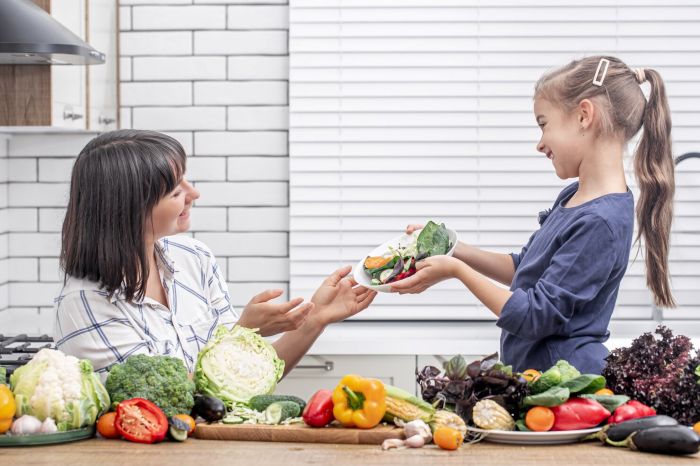
Your guide to feeding your growing child from birth to pre-teen: the basics. Nourishing your child properly from infancy through childhood is the foundation for a healthy future. What a toddler eats isn’t always what a 10-year-old eats, but one thing stays consistent: Children are happiest and healthiest when they receive balanced, whole-food meals.
World Health Organization (WHO) says healthy eating practices established in early life and childhood lead to improved growth and cognitive development and strengthen the immune system to combat illness. WHO says that infants up to 6 months of age should exclusively be breastfed. After six months of age, infants should be introduced to nutritionally adequate and safe complementary foods while breastfeeding continues up to 2 years of age or beyond.
Around 44% of the world’s infants under 6 months of age are exclusively breastfed.
Improving infant nutrition throughout the world would reduce infant deaths.
In this guide, we break down what your child needs at each stage of growth, what to eat and drink, common mistakes to avoid, and a few handy tips for success.
Why Does Childhood Nutrition Matter?
Nutrition is more than just making sure your child’s tummy isn’t empty. Everything your child eats and drinks provides nutrients that power their growing bodies and brains: Protein for muscles, calcium for strong bones, iron for blood and energy, healthy fats to support the development of the brain, and vitamins to fend off colds and the flu.
Research shows that dietary patterns formed during childhood often carry into adulthood. Children who are encouraged to eat whole foods like fruits, vegetables, whole grains, lean meats, dairy, and healthy fats during their younger years are more likely to adopt those same practices as adults. Whole-food diets generally follow four principles-adequacy, balance, moderation and variety.
Proper nutrition at each age and stage helps a child with:
Memory and learning
Physical growth
Sleep quality
Emotional regulation
Athletic performance
Prevention of chronic disease
Baby Nutrition (0–6 Months)
The first 6 months are one of the fastest-growing times humans ever experience. WHO recommendations say that babies under 6 months should exclusively be breastfed. Breast milk is the ideal food during this stage; it delivers all of the necessary nutrients and can protect the infant from infection. For those who are not breastfeeding, an iron-fortified infant formula is also a nutritionally complete option.
This is what your baby needs most:
| Nutrient | Why It Matters |
|---|---|
| Protein | Growth and tissue repair |
| Healthy fats | Brain development |
| Iron | Blood formation |
| Vitamin D | Bone health |
| Calcium | Strong bones and teeth |
You shouldn’t give your baby honey, cow’s milk (as a drink), fruit juice, or added sugar in any form during this period.
Infant Nutrition (6–12 Months)
By the time your baby reaches six months of age, he or she is ready to start introducing solids while still being breastfed (or receiving formula). Instead of just sticking with a few familiar foods, try offering your baby a variety of different textures and flavors during this phase.
Some first foods include:
- Iron-fortified infant cereal
- Mashed fruits
- Mashed vegetables
- Eggs
- Yogurt
- Beans
- Fish
- Soft meats
Some common allergens such as peanut butter, and eggs can be introduced at the appropriate developmental stage unless a health care provider recommends otherwise.
Avoid:
- Added salt
- Added sugar
- Honey before age 1
- Whole grapes
- Popcorn
- Hard candy
- Large food chunks
Toddler Nutrition (1–3 Years)
Toddlers continue to grow and develop, though the pace slows compared to infancy. But just as their bodies are growing at a slower pace, their curiosity continues to grow. This can lead to what is often known as the toddler years, when kids are commonly picky, resistant to certain foods and preferences change from day to day.
Generally, the plate of a balanced toddler looks something like this:
- Fruits
- Vegetables
- Whole Grains
- Dairy Products
- Protein Foods
Portion sizes are much smaller during this stage of childhood as toddlers eat less than an adult would. Offering them regular meals and snacks can create structure without expecting them to finish their entire plates every meal. Be persistent: It may take 10 or more exposures for your toddler to try and accept a new food.
Preschooler Nutrition (4–5 Years)
The preschool years are when many kids start to develop lifelong eating preferences. It’s an ideal time to get your little ones involved:
- Take your child to the grocery store and let him pick out vegetables.
- Have him wash fruit or vegetables at the sink.
- Encourage him to take a “no-thank-you bite” of unfamiliar foods.
- Help him “eat the rainbow” – different colored fruits and veggies are filled with unique nutrients.
Children this age need a consistent supply of calcium, protein, iron, fiber and healthy fats to support their energy for play, as well as their continued mental development. Avoid giving sugary drinks on a daily basis, offering water and milk as their primary beverages.
School-Age Nutrition (6–12 Years)
Children’s physical activity and academic needs increase, making balanced nutrition more critical than ever. Breakfast plays a vital role in fueling school learning, while balanced lunches help sustain energy levels throughout the school day.
A balanced lunchbox may include:
Food Group | Example
Whole Grain | Whole-wheat sandwich or whole-grain crackers
Protein | Chicken breast, turkey, beans or tofu
Fruit | Apple slices or banana
Vegetable | Carrot sticks, cucumber slices, or green beans
Dairy | Yogurt or cheese
Snack ideas that fuel learning:
- Nuts (appropriate size and age)
- Cheese stick
- Fruit
- Whole-grain crackers with peanut butter or hummus
- Yogurt
As children grow older, their fruit and vegetable requirements increase according to WHO guidelines. Children between the ages of 6 and 9 should eat around 350 grams per day, while children above age 10 should consume 400 grams of fruits and vegetables a day.
Common Nutrition Mistakes Parents Should Avoid
Many common food struggles can come about as a result of good intentions coupled with the demands of modern life and misconstrued nutrition information. Here are some common ones to watch for:
- Using food or sweets to reward children.
- Giving sugary drinks on a regular basis.
- Skipping breakfast.
- Excessive consumption of fast food.
- Allowing screen time during meals.
- Forcing children to clean their plates.
- Serving overly large portion sizes.
A more effective approach is to be a good role model. Children often imitate behaviors they witness more than what their parents say, which highlights why your own healthy eating habits make a difference.
Tips for Healthier Eating Day-to-Day
Even small, manageable changes can add up to a significant improvement:
- Serve a vegetable with every meal.
- Keep fruit accessible, especially at eye level.
- Prioritize water as the main beverage over juice and soda.
- Offer a protein source at every meal.
- Eat meals together as a family when you can.
- Minimize highly processed snacks.
- Let your child decide if and how much he wants to eat by following their hunger and fullness cues.
Conclusion
Healthy eating patterns are fluid; they evolve throughout a child’s life stages from the nutritional importance of breast milk for a newborn to the fuel needed to help a school-aged child navigate their academic, social and athletic endeavors. The ultimate goal is to not always prepare the perfect meal, but rather to continually offer variety, build positive relationships with food and encourage overall healthy habits to set kids up for success now and in the future.