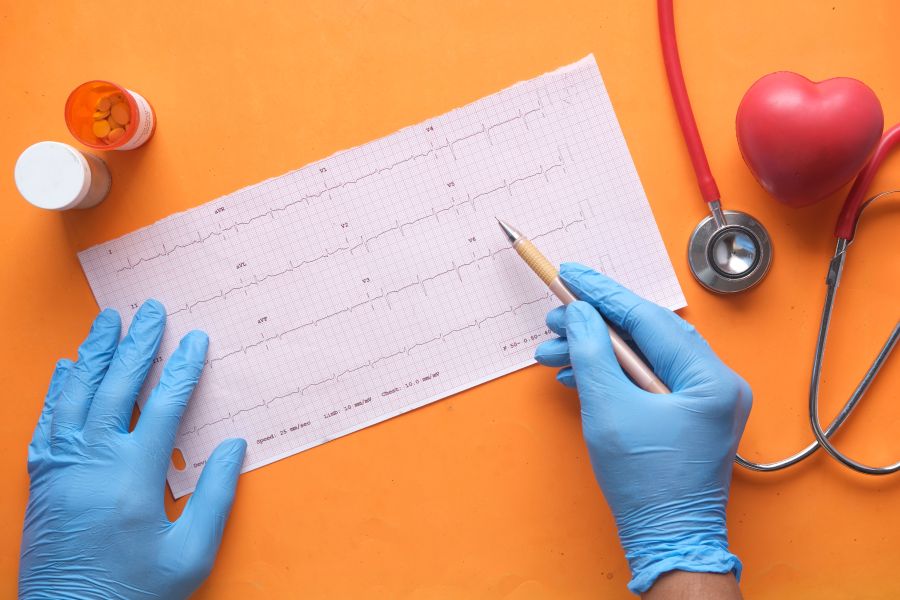
Your heart, an absolute workhorse that pumps your blood 100,000 times each day, doesn’t get much of a break. It’s no wonder that heart disease is the No. 1 cause of death for men around the globe. While genetics play a role, many risk factors for heart disease are directly related to lifestyle. The World Health Organization states that cardiovascular diseases accounted for an estimated 19.8 million deaths worldwide in 2022, making them the leading cause of death.
The good news is you don’t have to follow a strict diet and rigorous workout regimen to significantly reduce your chances of developing heart disease. Even a few consistent lifestyle adjustments can go a long way. If you want to stay heart healthy, incorporate the following tips into your life:
1. Exercise Regularly
Physical activity is one of the best things you can do for your heart.
Regular workouts help you:
Maintain a healthy weight
Lower blood pressure and cholesterol levels
Improve circulation
Strengthen your heart muscle
Aim for:
At least 150 minutes of moderate-intensity exercise or 75 minutes of vigorous exercise per week
Strength training twice a week or more
Good choices include:
Brisk walking
Cycling
Swimming
Jogging
Resistance training
If it’s too difficult to fit in 150 minutes of activity, just 30 minutes of brisk walking each day will provide many heart health benefits.
2. Eat a Heart-Healthy Diet
The food you eat can have a significant impact on your heart health. Aim to consume:
plenty of fruits and vegetables
whole grains
lean protein (such as chicken and fish)
Beans and legumes
Nuts and seeds
healthy fats (such as olive oil)
Limit or avoid:
processed foods
sugary drinks
Excess sodium (salt)
saturated fats
trans fats
According to current American Heart Association guidance, it is better to choose an unsaturated fat (such as those found in fish or vegetable oils) over saturated fat and minimize sodium and added sugars.
3. Know Your Numbers
Cardiovascular disease may develop slowly, sometimes without any symptoms, so it’s important to stay aware of certain health indicators:
blood pressure
cholesterol levels
blood sugar
Body mass index and waist circumference
Ask your doctor to regularly screen your numbers and make a plan if any are high.
4. Quit Smoking
Not only does smoking make you much more likely to have a heart attack, but it can also make the heart muscle weaker and damage blood vessels, reducing your blood’s ability to carry oxygen. Quitting offers tremendous cardiovascular benefits that start very quickly:
within hours of your last cigarette, your blood pressure and heart rate will drop;
within two weeks to three months, your circulation will improve, and your risk of heart attack will begin to decrease;
within one year, the excess risk of heart disease will drop by half.
If quitting is a struggle, talk to your health care provider about smoking cessation aids.
5. Maintain a Healthy Weight
When you’re overweight, especially carrying weight in your midsection, your risk of developing conditions that contribute to heart disease (such as high blood pressure, diabetes, and high cholesterol) increases. Losing even just 5 to 10 percent of your body weight can have a profound effect on your heart health and other markers of health.
6. Get Enough Quality Sleep
The amount of sleep you get can impact the health of your heart. Adults should aim to get 7 to 9 hours of sleep per night. Lack of sleep is associated with increased risks for obesity, diabetes, high blood pressure and heart disease. You can help your body regulate a consistent sleep-wake cycle by setting regular bedtimes, minimizing exposure to screens before bed, and addressing underlying sleep disorders, such as sleep apnea (especially if you snore heavily).
7. Manage Stress
Chronic stress can take a toll on your heart by elevating blood pressure and leading to unhealthy behaviors, such as overeating or smoking. Some healthy coping mechanisms include:
meditating or practicing mindfulness
doing deep-breathing exercises
taking a walk outside
engaging in yoga
spending time with family and friends
pursuing relaxing hobbies
8. Drink Alcohol in Moderation
If you drink alcohol, drink in moderation. Excessive alcohol consumption is linked with a number of heart issues, including increased blood pressure, weight gain, high triglycerides, and heart rhythm abnormalities. If you don’t currently drink alcohol, the health community doesn’t recommend starting for the sole purpose of protecting your heart.
9. Control Diabetes
Elevated blood sugar levels can damage blood vessels over time and lead to heart disease. If you have diabetes, you need to work closely with your doctor to manage your condition through diet, medication, regular physical activity and blood glucose monitoring. Well-managed diabetes can dramatically reduce your risk of developing heart-related problems.
10. Start Early
According to recent research, men may begin developing a higher risk for heart disease as early as their mid-30s. The earlier you start forming good heart health habits, the more likely you are to maintain them throughout your life.
Daily Habits to Keep Your Heart Healthy
Healthy Habit | Heart Benefit
—|—
Walk 30 minutes every day | Helps boost circulation and lower blood pressure
Eat fruits and veggies at each meal | Full of fiber and beneficial nutrients to support cardiovascular health
Choose whole grains over refined grains | May help you manage cholesterol levels
Drink more water | Supports the circulation of nutrients and removes waste products from the body
Get 7–9 hours of sleep per night | Helps regulate blood pressure
Don’t smoke | Protects your blood vessels from damage
Manage your stress | Less physical stress means your cardiovascular system works efficiently
Get annual physicals and screenings | Enables you to catch potential problems before they become serious
Warning Signs You Should Never Ignore
Seek emergency medical attention immediately if you experience any of the following signs:
Chest pain or pressure
Pain or discomfort that radiates to the arm, jaw, neck, or back
Sudden shortness of breath
Cold sweats
Nausea
Unexplained dizziness or lightheadedness
Heart attack symptoms can differ greatly, but early detection and prompt treatment improve the odds of a positive outcome.
Conclusion
To maintain a healthy heart, it’s more about making consistent, healthy choices over time than achieving perfection in your lifestyle. Regularly engaging in physical activity, eating a nutritious diet, keeping your weight in a healthy range, avoiding smoking, getting enough quality sleep, managing stress, and keeping up with medical checkups are among the best strategies to lower your risk of heart disease. Even small lifestyle changes can yield substantial results in the long run, and recently, studies have indicated that a commitment to physical activity, a balanced diet, sufficient sleep, stress management and abstinence from smoking may significantly increase lifespan.