Mental health isn’t just the absence of anxiety or depression; rather, it encompasses our emotional, psychological, and social well-being, dictating how we think, feel, act, make decisions, and interact with people. “Good mental health is more than the absence of mental illness. It involves emotional well-being; the ability to manage stress and control your emotions; a positive outlook on life and the ability to engage in activities you enjoy, that you take satisfaction in performing,” notes the Mayo Clinic.
According to the WHO, “Mental health is the foundation of our well-being and impacts how we handle stress, relate to others, and make choices,” and affects every facet of life, from how we handle everyday challenges to realize our full potential at work or play.
With more than 1 billion individuals living with a mental health condition around the globe, understanding mental wellness and developing coping skills has never been more important.
Stress, a natural human reaction to threatening situations or circumstances, can sometimes enhance your focus and drive, but chronic stress can take a significant toll on your physical and mental health. Long-term stress can cause frequent headaches, fatigue, difficulty sleeping, digestion problems, anxiety, depression, and even heart problems. These days, most people are stressed to some degree or another due to daily work deadlines, family commitments, finances, relationship issues, or concerns over health. These and a number of other lifestyle pressures continue to make stress an ongoing issue for the majority of the population.
Everyday Stressors
Most people experience stress when one or more circumstances build up and place demands on their emotions or well-being. Stress can be brought on by work or school tasks, money worries, health concerns, family relationships, dating, or unexpected personal issues that disrupt your routine or disrupt your daily life, such as illness or Job loss. Moreover, it appears that increasing economic insecurity among young people may be driving significant increases in rates of depression and other psychological health issues.
Even digital communication adds to stress levels. Constant notification pinging from all of our devices is more than irritating. Over time, digital communications overload your senses, cause stress, lead to loss of sleep, as well as increase in body aches and pains.
Social media in particular has shown negative correlation to the quality of mental health for teens and young adults who often compare their reality to an idealized online persona and feel social pressure to maintain a popular image on social media platforms.
Researchers continue to study the impact of excessive social media use on teenage stress and anxiety levels and how reducing social media screen time and focusing on interpersonal connections may boost positive health outcomes.
Stress Source /Impact
* Work pressure /Burnout, anxiety
* Financial problems /Chronic worry
* Poor sleep /Mood swings
* Social media /Envy, anxiety
* Relationship conflict /Emotional upset
* Health issues /Increased anxiety
The Importance of Self-Care
The concept of “self-care” might conjure up images of spa days or lavish indulgences, but true self-care involves intentionally and consistently meeting your physical, emotional, and mental health needs. Taking a basic walk, getting plenty of sleep, drinking sufficient amounts of water, and prioritizing nutritious foods are the first steps toward achieving positive emotional wellness and a robust state of well-being. Many daily self-care behaviors have proven stress-reduction benefits and improve your overall quality of life. Taking some time for yourself to recharge is an act of resilience, not of weakness.
When it comes to our emotions, self-care involves validating how we’re feeling without judgment, practicing emotional boundaries, engaging in positive and hopeful thinking, expressing gratitude for the people and experiences in our lives, and allowing yourself to enjoy restorative activities. These may include reading, Journaling, spending time in nature, listening to music, or taking a yoga or meditation class.
Stress Reduction Daily Habits
There are a multitude of self-care practices that can reduce stress on a daily basis. Getting plenty of physical exercise is a highly effective method of stress management because exercise releases the body’s natural feel-good chemicals, endorphins, which combat feelings of depression and anxiety. Whether you prefer the benefits of a brisk walk, intense exercise, or a calming activity like stretching, exercise will strengthen you both mentally and physically.
“One of the most effective strategies to combatting the mental and emotional strain of a stressful life is through exercise,” explains Mental Health America.
It should come as no surprise that sufficient amounts of sleep – roughly seven to nine hours for adults – help maintain the stability of your moods and a positive outlook. The foods you consume also have a great impact on your moods, and a diet rich in vegetables, fruits, and whole grains along with limiting excessive news consumption can help maintain positive mental and physical health. According to the WHO, “Maintaining consistent routines, engaging in regular physical activity, eating well-balanced meals and avoiding excessive news consumption,” are a few of the recommended strategies to manage the stress of a pandemic and other disruptive events in our lives.
Mindfulness and Meditation
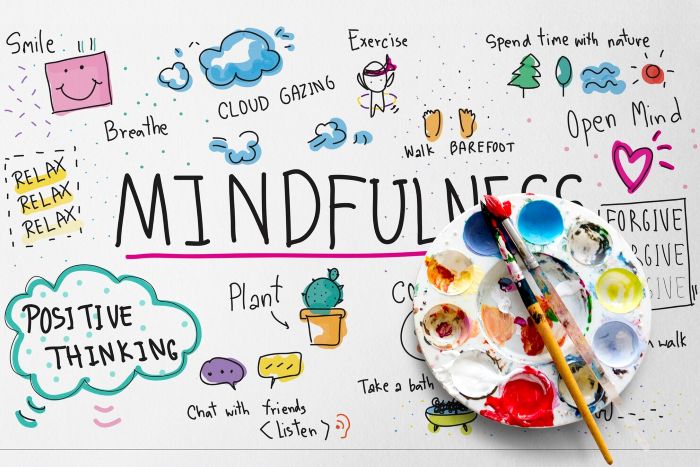
Another proven method of reducing stress is by practicing mindfulness and meditation. Mindfulness means staying grounded in the present moment and not allowing yourself to get caught up in future worries or past regrets. Mindfulness-based therapies, such as meditation, breathing exercises, progressive muscle relaxation, and guided imagery, are all powerful tools that can help reduce stress.
Even just 5-10 minutes of deep breathing can help ease the nervous system and lower stress hormones, calming you in a matter of moments.
Simply trying some breathing exercises when feeling stressed and in the midst of it will help your body relax in time, thus preventing symptoms like high heart rate, elevated breathing rate and even panic attacks.
The Importance of a Strong Support System
According to Harvard Study of Adult Development – decades long, the greatest predictor of happiness throughout life, as we get older – was the quality of a person’s relationship with his/her peers, Family, romantic relationships and romantic life . We thrive on deep meaningful relationships. Therefore, the quality and strength of our bonds with others, whether it is family, friends, coworkers, mentors, or spiritual leaders, has a profound effect on how we handle the difficulties that life brings us.
Work-Life Balance
Finding an optimal balance between professional life and your personal life can significantly lessen stress. The belief that prolonged hours in the workplace is the only way to perform the task at hand should be discarded; Instead, set limits that maintain reasonable working hours, get sufficient sleep, as well as take regular breaks between work assignments and annual holidays. There are several time-management strategies that will prevent feelings of being overextended, including identifying tasks by priority, breaking large projects into manageable steps, and managing schedules through digital planning tools or calendars.
When to Seek Help
While stress is an inevitable part of everyday life, the persistent effects it can have may be overcome. When you feel as though you’re struggling to cope with life’s demands and that your mental well-being is suffering, reaching out to a professional is a worthwhile choice. The health providers that specialize in mental health, whether that is a counselor, psychologist, or psychiatrist, may offer effective treatments such as talk therapy, prescribed medication, or a combination of both. Remember, it is never a weakness to ask for support; It is a testament of your willingness to face your challenges and make an effort to make yourself better.
Conclusion
Life is full of unpredictable turns, but living a completely stress-free existence isn’t attainable. What matters is that you make use of those techniques and tools, have a support system in place, and have habits which will enable you to better manage life’s inevitable bumps along the road. When you commit to better sleep habits, eat nourishing foods, incorporate a healthy dose of movement and exercise into your day, practice mindful relaxation techniques and take the time to connect with others through strong relationships, you are building a more resilience for you to face any life circumstances that may come your way.
Regardless of your age or where you are in life, there is always a positive change that you can implement to better manage your life and your emotional state.
What are some healthy changes you plan to incorporate into your daily life to help reduce stress and boost mental health and wellness?